
Nieuw Dorp Inn (Ten Eyck House)
The Nieuw Dorp Inn, also known as the Ten Eyck House, is located in the historic hamlet of Hurley, New York. The house was constructed circa 1730.
In 1900, the house was owned by Calvin Burhans (1847-1907), a blacksmith, who operated his wagon maker’s shop in the back. Burhans was “a carriage maker, and had few equals in expertness in his line of work. He was well known in this city and throughout the county, and had many friends.”
The Nieuw Dorp Inn is listed on the National Register of Historic Places as part of the Hurley Historic District. The description notes that “this stone building has six bays and is 1 1/2 stories high with a shed roof at the rear. The building, restored in 1937, now has an off-center door with a 12-light transom and small portico, 12/12 sash and four shed dormers.”
The village of Hurley was founded in 1662 by early Dutch settlers who were leaving nearby Kingston, then known as Wiltwyck. The original name of the village was “Nieuw Dorp,” meaning simply New Village. The village was destroyed in 1663 by attacking Esopus Indians, however the village was quickly rebuilt. In 1669, after the English military defeat of the Dutch, the acting governor changed the name of the village to Hurley in honor of his ancestral home at Hurley-on-Thames in England.
Hurley notably served as the temporary capital of New York State for two months after Kingston was burned in 1777 by the British Army during the American Revolution. George Washington visited the village for a public reception on November 16, 1782 during a tour to thank residents for their support during the Revolution.
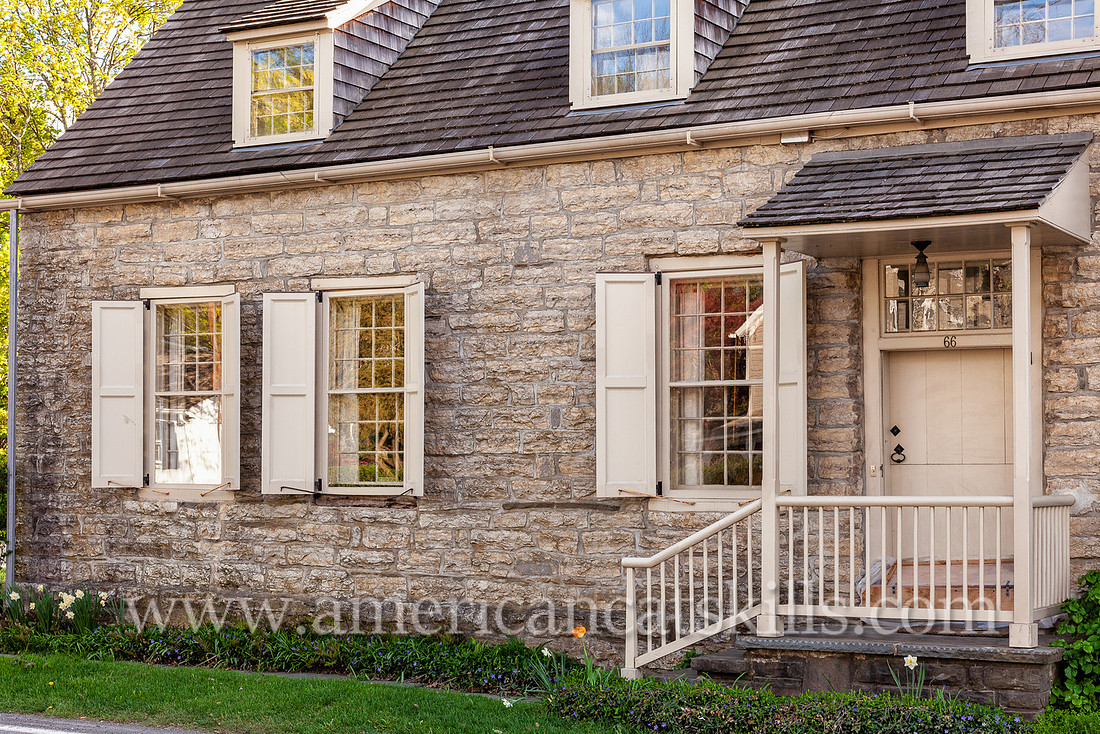 Niuew Dorp Inn (Ten Eyck House)The Nieuw Dorp Inn, also known as the Ten Eyck House, is located in the historic hamlet of Hurley, New York. The house was constructed circa 1730.

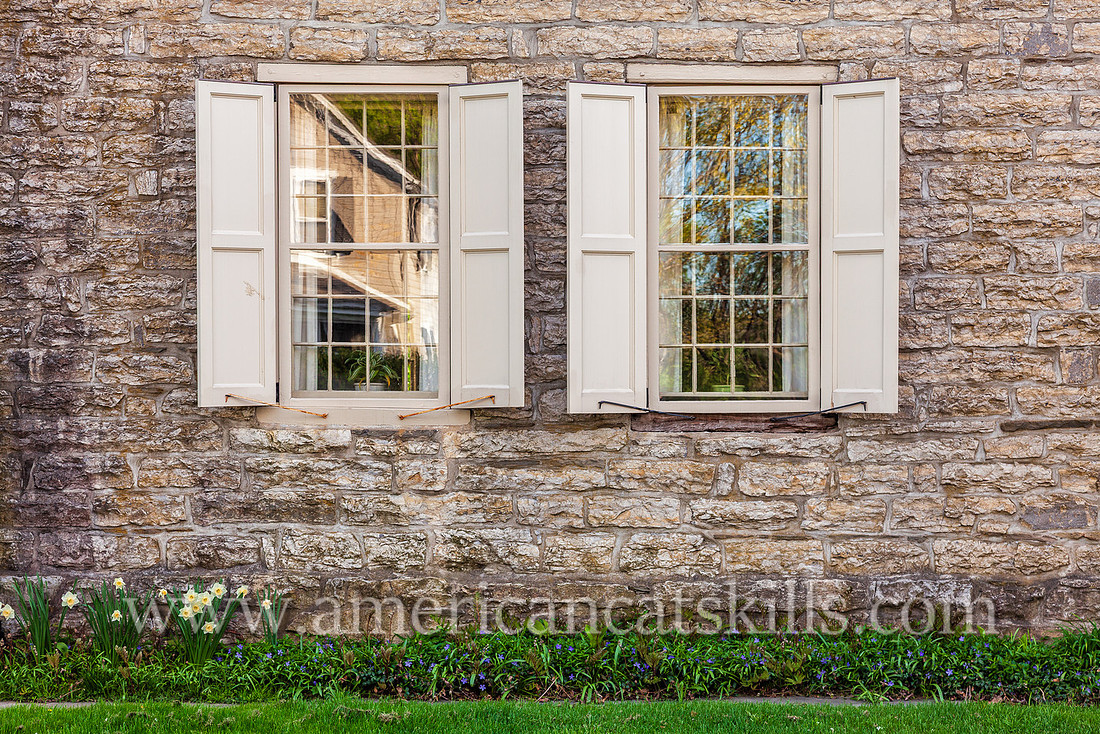 Windows to the Revolution (Nieuw Dorp Inn)The Nieuw Dorp Inn, also known as the Ten Eyck House, is located in the historic hamlet of Hurley, New York. The house was constructed circa 1730.
&layout=none&ref=https://www.americancatskills.com/blog/2026/3/nieuw-dorp-inn-ten-eyck-house)