
Petrus Crispell House at Hurley, New York
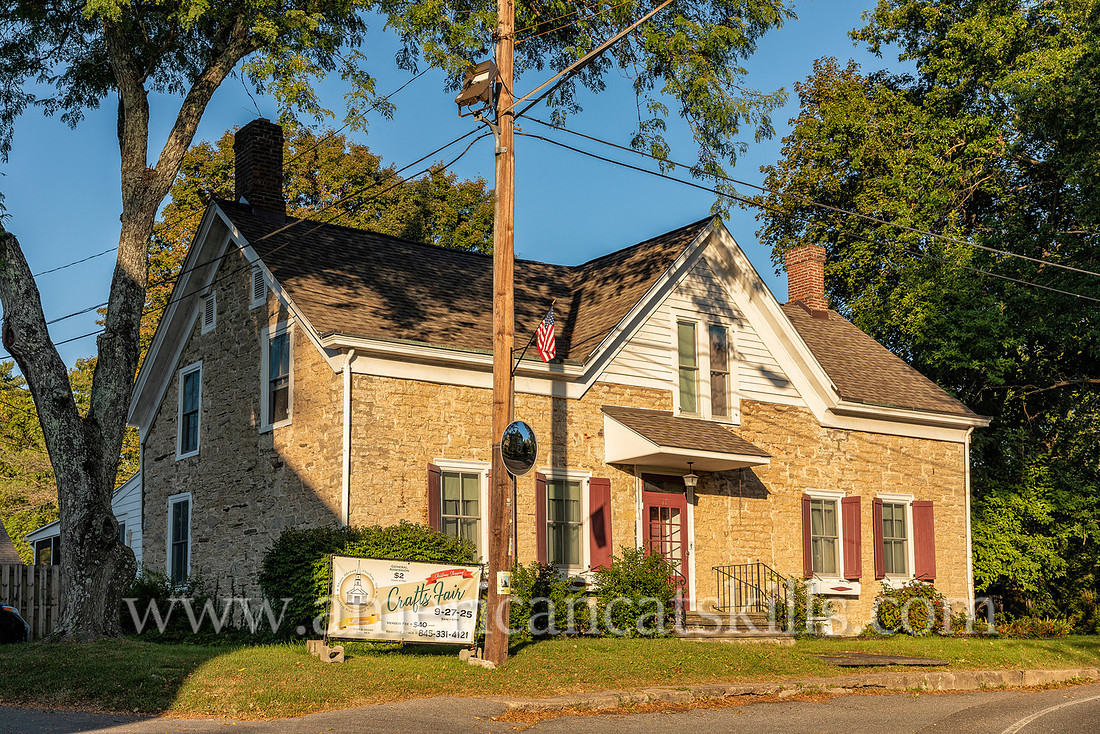 Petrus Crispell House, Hurley, New YorkThe Petrus Crispell House is located on Main Street in the historic hamlet of Hurley, New York. The house was built circa 1725. The church consistory purchased the property from Petrus Crispell in 1839, and it has served as the parsonage ever since.
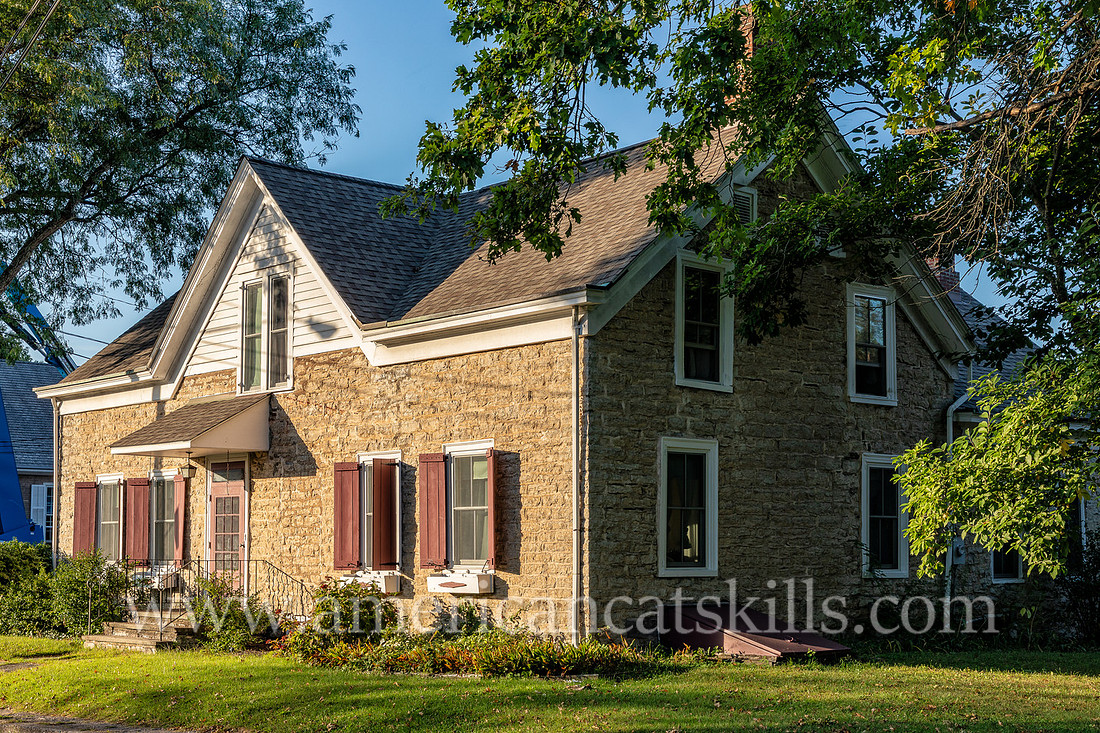 Petrus Crispell House, Hurley, NYThe Petrus Crispell House is located on Main Street in the historic hamlet of Hurley, New York. The house was built circa 1725. The church consistory purchased the property from Petrus Crispell in 1839, and it has served as the parsonage ever since.
The Petrus Crispell House is located on Main Street in the historic hamlet of Hurley, New York. The house was built circa 1725.
Petrus Crispell inherited the house and surrounding property from his father Johannes Crispell, who had acquired the property in 1725 and likely built the house shortly thereafter. The house was built on the foundation of a prior smaller house. During the American Revolution, Petrus served as a private with the horse troops of Kingston under the command of Captain Sylvester Salisbury.
The church consistory purchased the property from John Crispell, the son of Petrus Crispell, in 1839, and it has served as the parsonage ever since.
The adjacent Hurley Reformed Church, for which the Petrus Crispell house serves as a parsonage, was built in 1854, replacing an earlier 1801 stone church which had fallen into disrepair. The cornerstone of the church was sealed and dedicated on July 4, 1854, with construction being completed in late November. Stones from the old church were reused in the foundation of the new church. The first service at the new church was held on December 3, 1854, and the building was consecrated the following spring.
The Petrus Crispell House is listed on the National Register of Historic Places as part of the Hurley Historic District. It was described as having been “built for a member of the Crispel family. It is 1 1/2 stories, made of coursed and squared stone, which continues into the gables. The façade, now 5 bays, was formerly 6, perhaps with two entrances. Nineteenth century alterations include a large cross-gabled dormer and 2/2 sash.”
