
Widow Jane Mine: A History and Photographic Study
The Widow Jane Mine is a former cement mine located on the historic Snyder Estate in the town of Rosendale, New York. The Widow Jane Mine, as well as other mines in the area, were home to the “natural cement” industry, often referred to as Rosendale cement. The Widow Jane Mine was active from around 1825 to 1970.
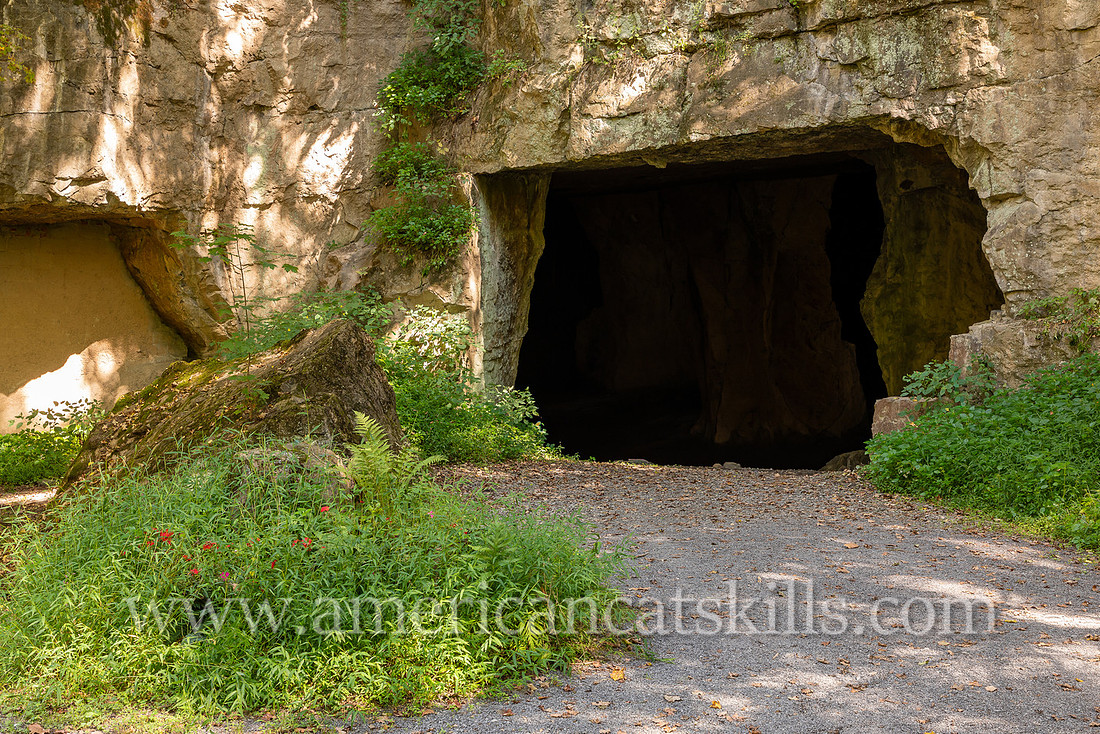 Entrance, Widow Jane MineWidow Jane Mine, Snyder Estate Natural Cement Historic District, Rosendale, New York
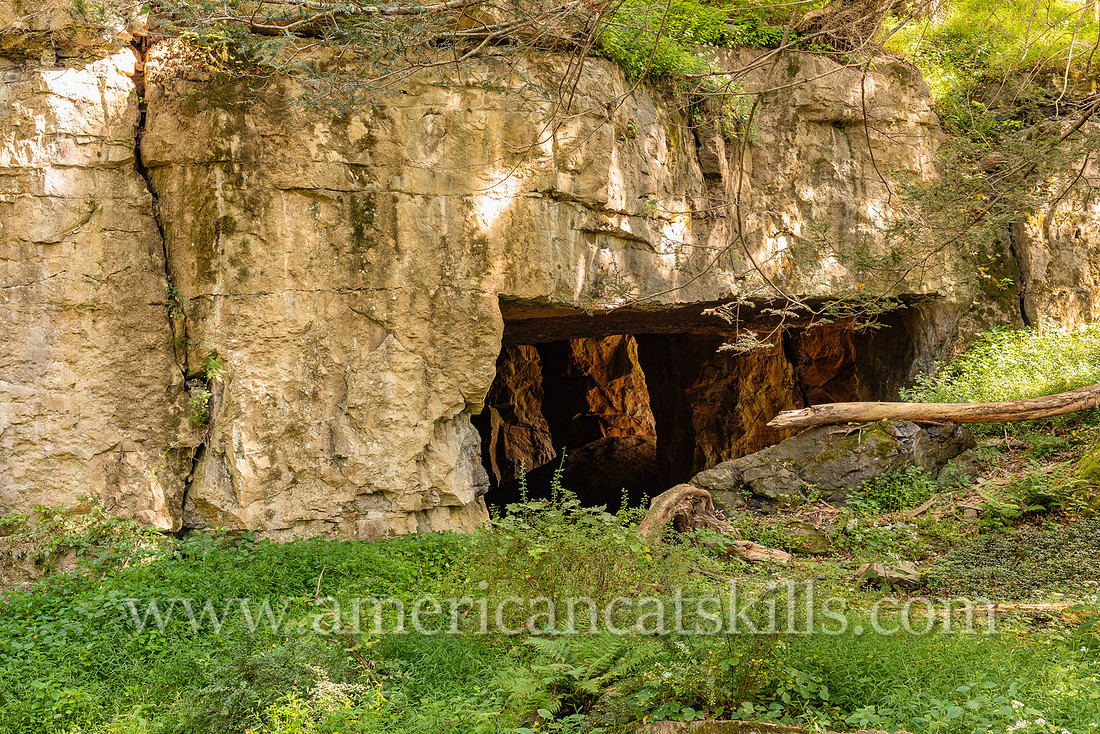 Entrance to the Widow Jane MineWidow Jane Mine, Snyder Estate Natural Cement Historic District, Rosendale, New York
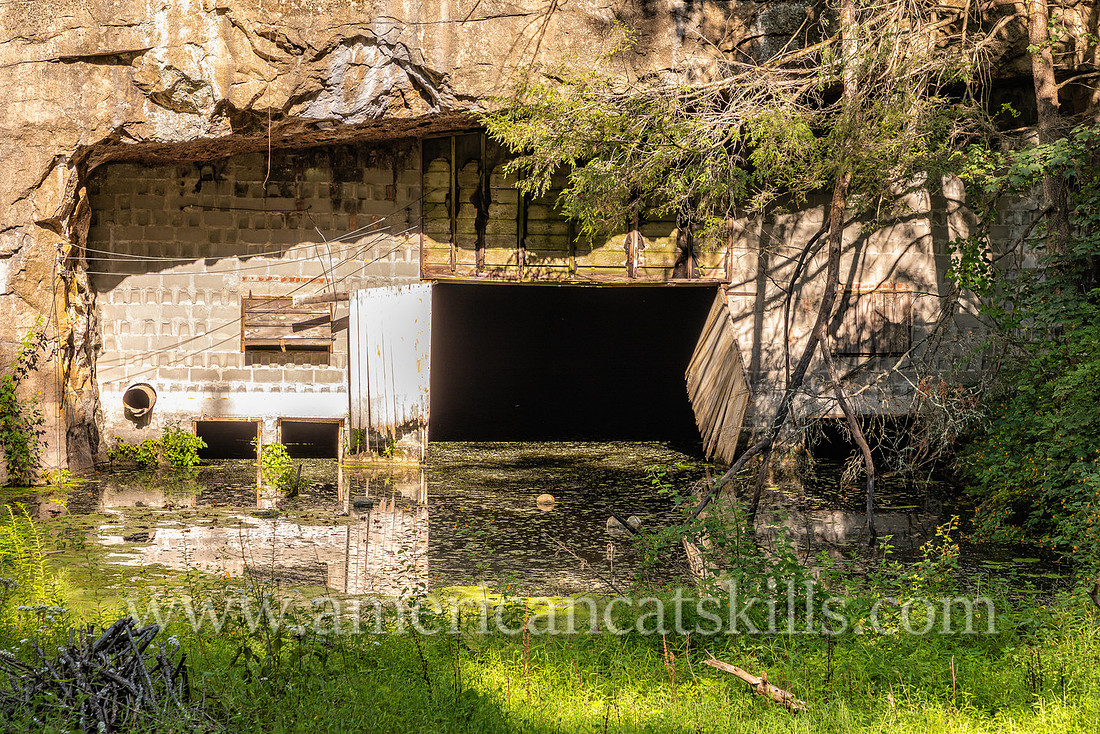 Abandoned Widow Jane Mine EntranceWidow Jane Mine, Snyder Estate Natural Cement Historic District, Rosendale, New York
Natural cement was discovered in the Rosendale area in 1825 and would become a leading regional industry for 145 years. Rosendale cement, known for its strength and durability, was used in the construction of the Delaware and Hudson Canal, the Brooklyn Bridge, the pedestal of the Statue of Liberty, the Washington Monument and the U.S. Capitol, in addition to its widespread use in road construction and other transportation related projects.
In the early 20th century, the natural cement industry began to decline as competing, cheaper and often superior products hit the market. Despite periodic revivals in business, the last Rosendale cement mine closed in 1970. After the decline of the cement industry, many mines in the area, partially flooded with ground water, were put to alternative uses such as mushroom farming and trout farming.
The Widow Jane Mine is a fine example of the “room and pillar” mining technique, meaning the mine is relatively horizontal with pillars upholding the roof rock, making the entrance both safe and easy to access. The “drift” type entry in to the mine allowed for ground level access by workers and equipment. Much of the mine, estimated to be over 1 mile in length, is now flooded with ground water and is therefore inaccessible.
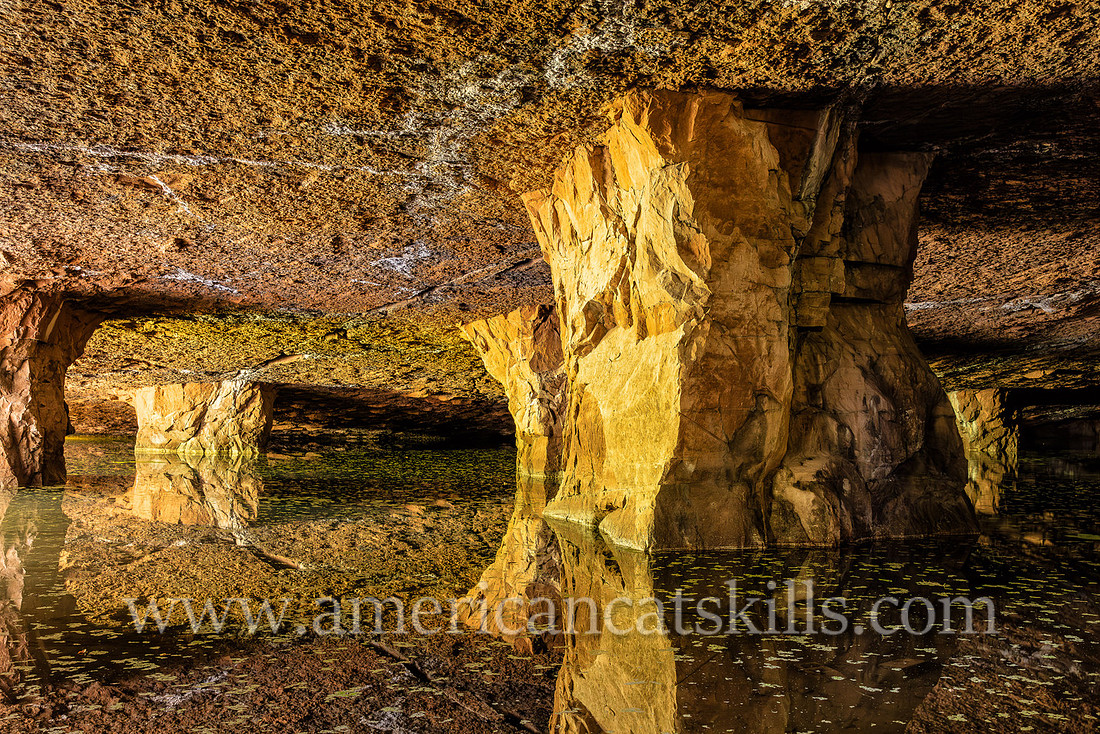 Widow Jane MineWidow Jane Mine, Snyder Estate Natural Cement Historic District, Rosendale, New York
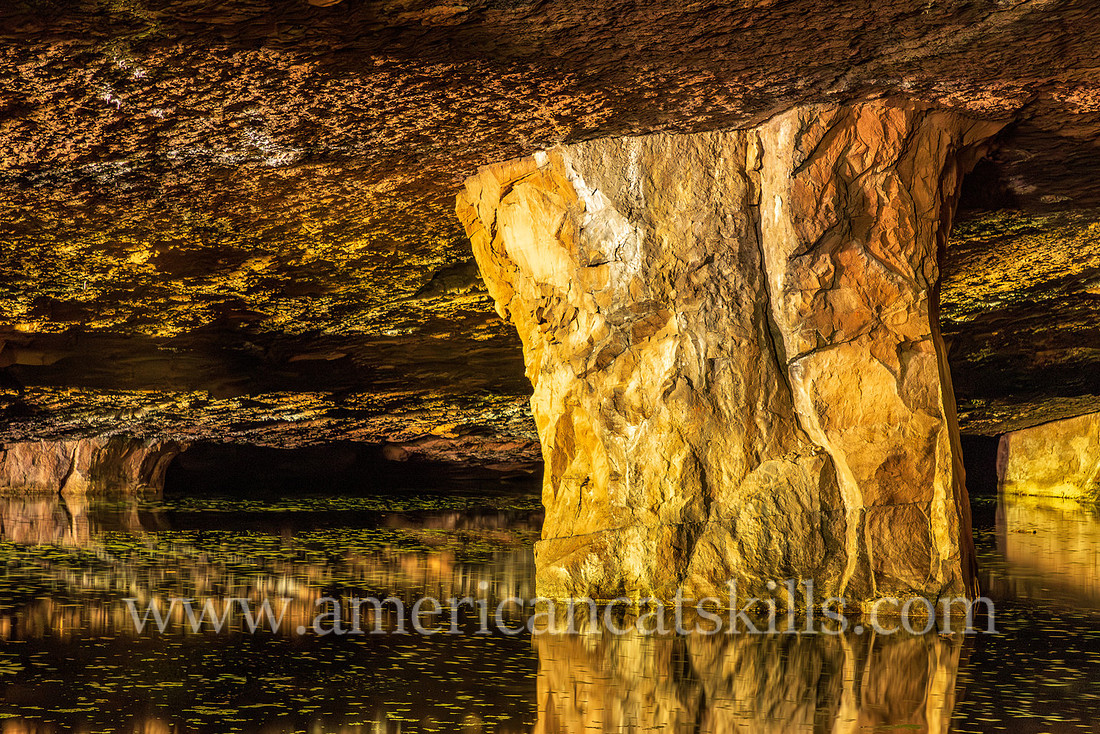 In Search of Natural CementWidow Jane Mine, Snyder Estate Natural Cement Historic District, Rosendale, New York
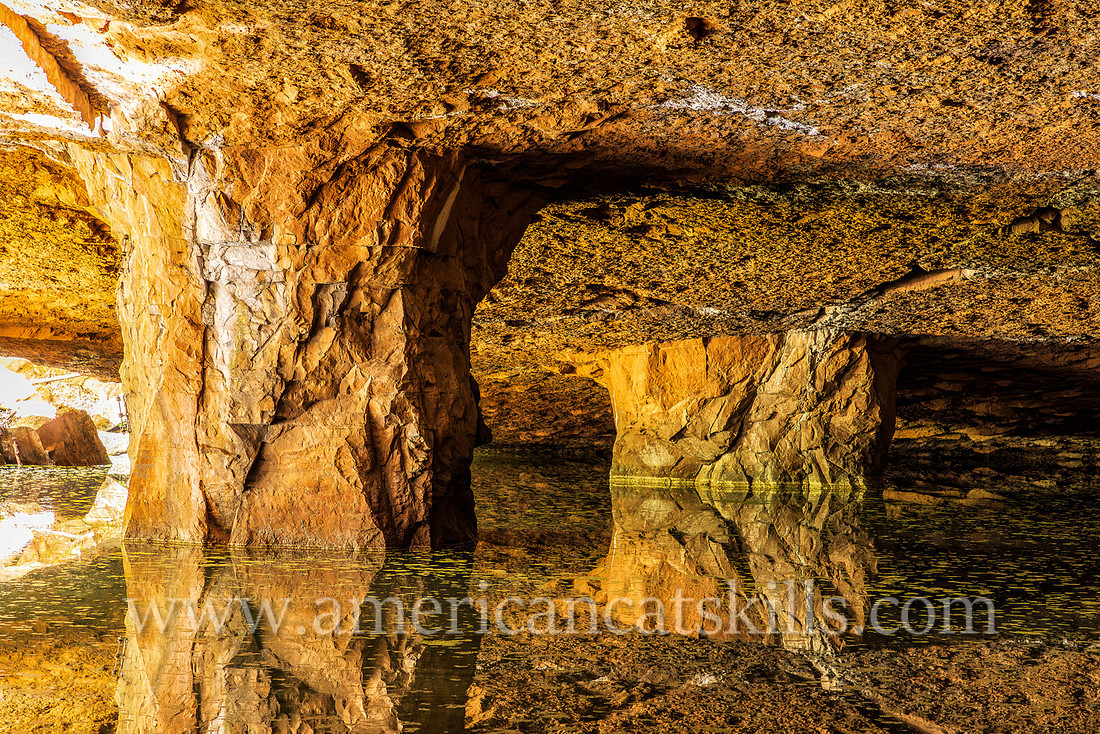 To the LightWidow Jane Mine, Snyder Estate Natural Cement Historic District, Rosendale, New York
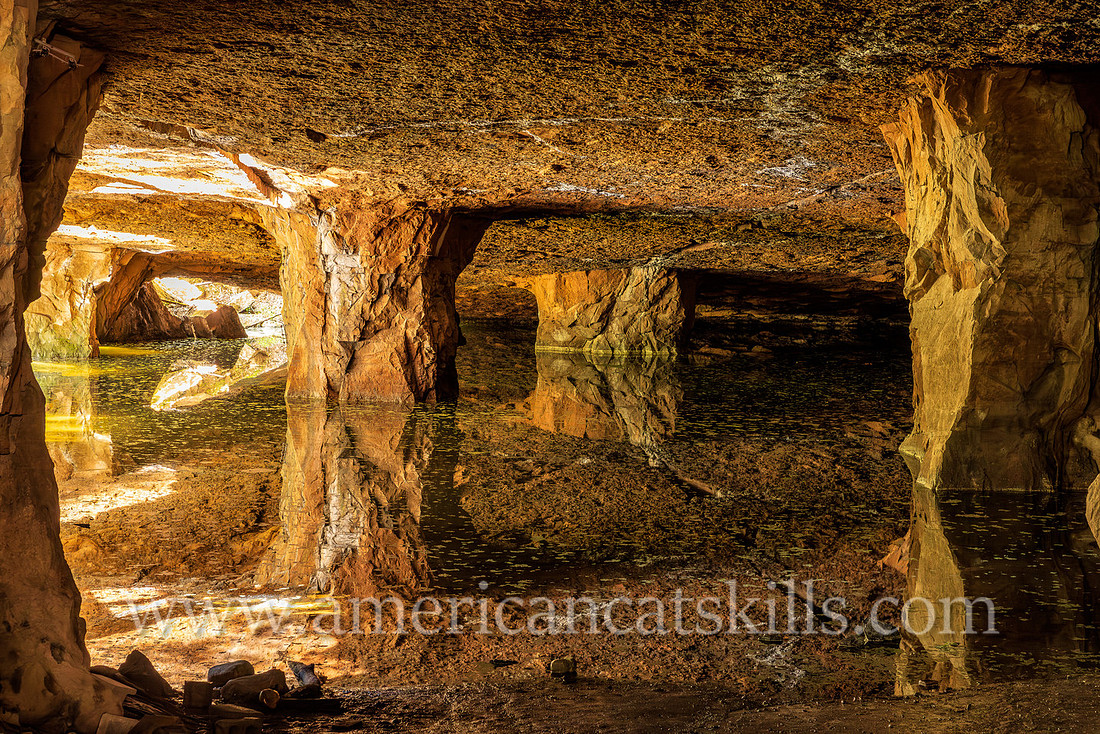 Underground PillarsWidow Jane Mine, Snyder Estate Natural Cement Historic District, Rosendale, New York
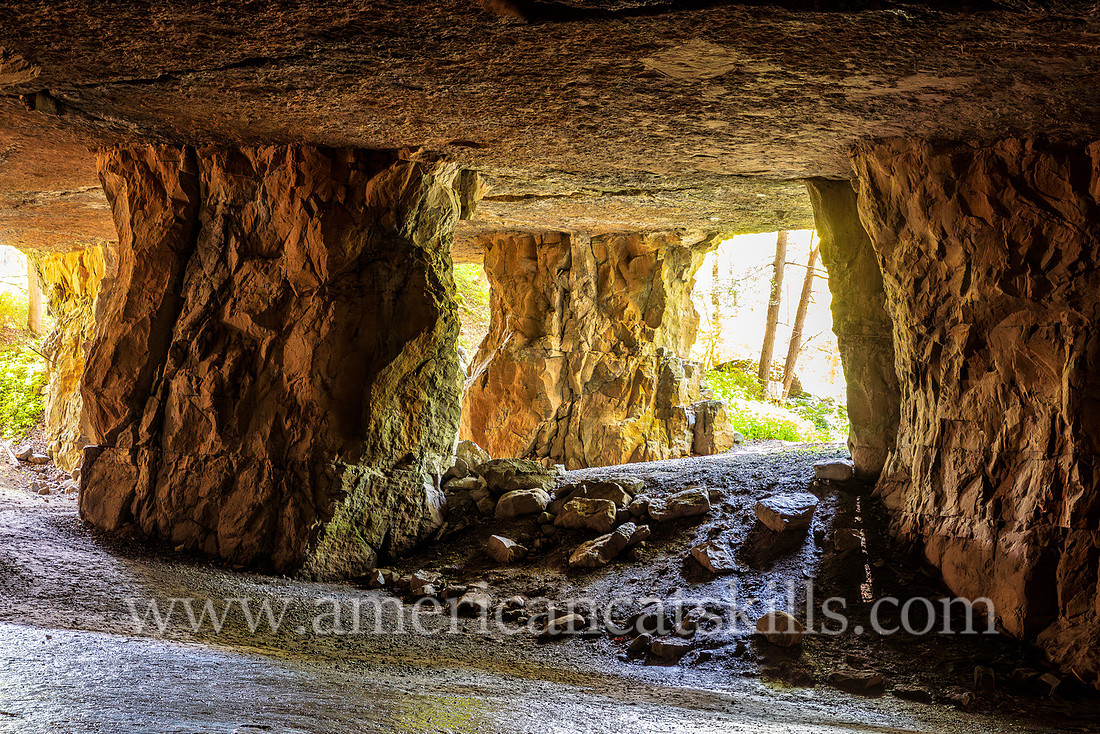 Back to the LightWidow Jane Mine, Snyder Estate Natural Cement Historic District, Rosendale, New York
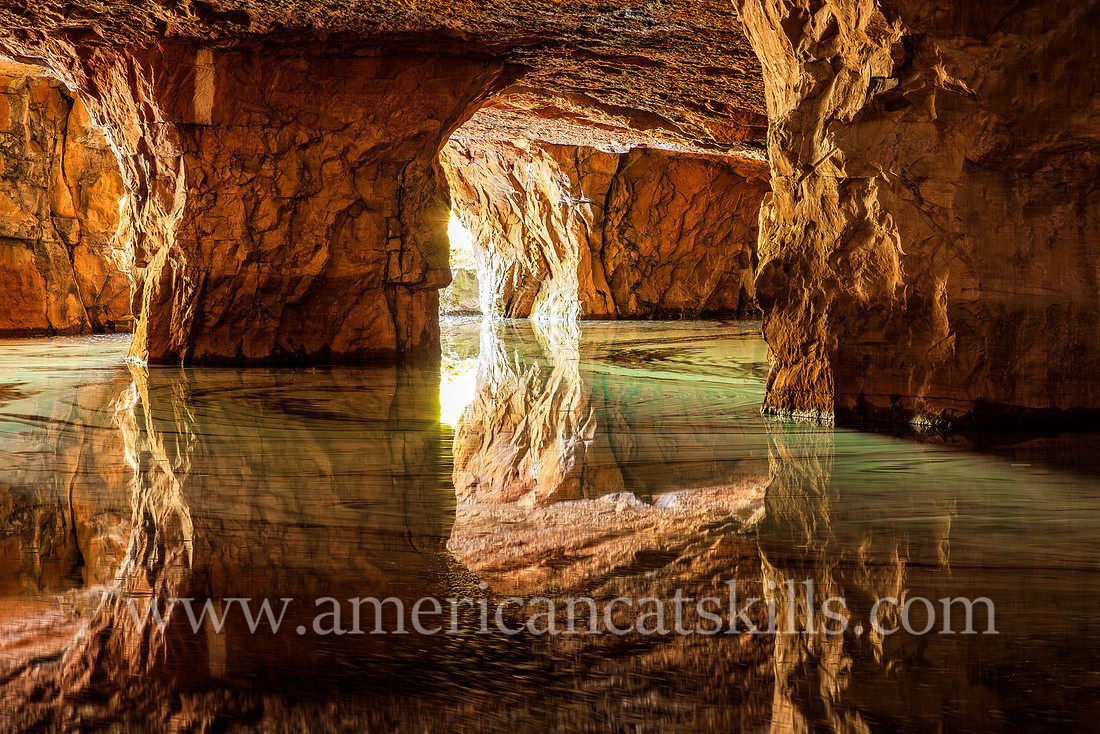 Color UndergroundWidow Jane Mine, Snyder Estate Natural Cement Historic District, Rosendale, New York
The Widow Jane Mine is named for Jane (LeFevre) Snyder (1820-1904), the widow of the James Snyder (1819-1852). James was the brother of Catherine Snyder (1831-1879), who married Andrew Jacob Snyder (1823-1902), who operated the Snyder & Sons Cement Company on their estate. The 1850 federal census lists James’ occupation as “farmer.” James Snyder passed away at 33 years of age in 1852. Jane never remarried and remained a widow for the rest of her life, living in a house near the mine at the corner of Cottekill Road and Route 213.
Prior to the passing of her husband, Jane had already suffered her share of grief. Four of her children passed away at very young ages, including Cornelius (1840-1842); Jonathan (1842-1845); Edgar (1846-1850); and Nelson (1850-1851). Jane passed away at 83 years of age on April 15, 1904 and is buried in the Rosendale Plains Cemetery in Tillson, New York.
The Widow Jane Mine is listed on the National Register of Historic Places as part of the Snyder Estate Natural Cement Historic District. The district is significant “for its long and significant association with the production of natural cement, for its role in the development of the natural cement industry in
America and for its association with several individuals of importance in the development and promotion of this industry.”
The Snyder Estate encompasses approximately 275 acres, including family estate properties and a number of industrial resources related to the four major cement manufacturing operations on the site. The major operations included the Lawrence Cement Works and successor firms; the Beach Cement Works and successor firms; the Snyder Cement Works; and the Century Cement Works. The district is generally bounded by the Tan House Brook to the west; Rondout Creek to the south; Saw Dust Road to the north; and Binnewater Road to the east.
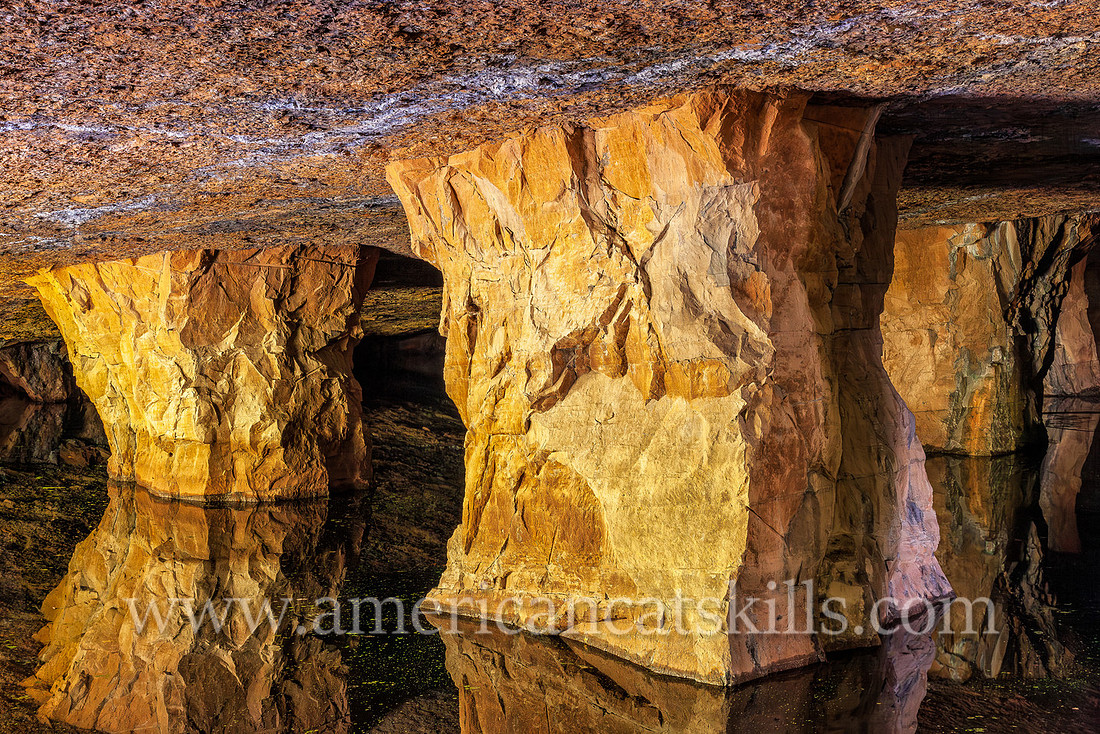 Pillar of RockWidow Jane Mine, Snyder Estate Natural Cement Historic District, Rosendale, New York
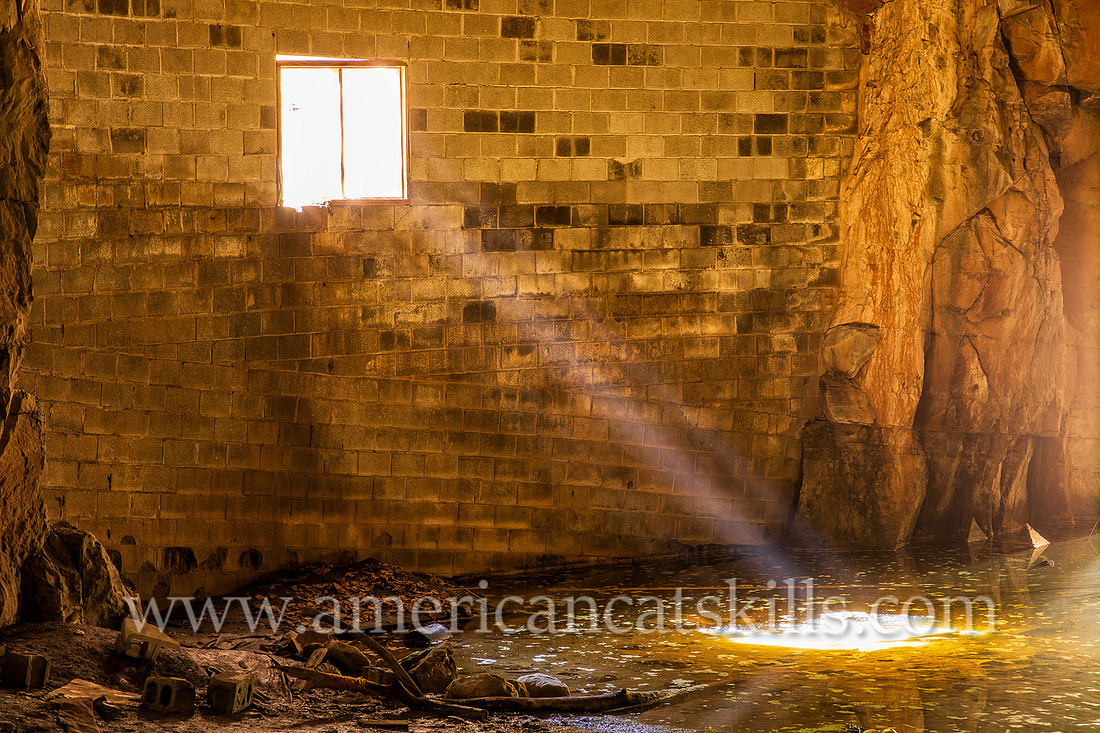 Window of LightWidow Jane Mine, Snyder Estate Natural Cement Historic District, Rosendale, New York
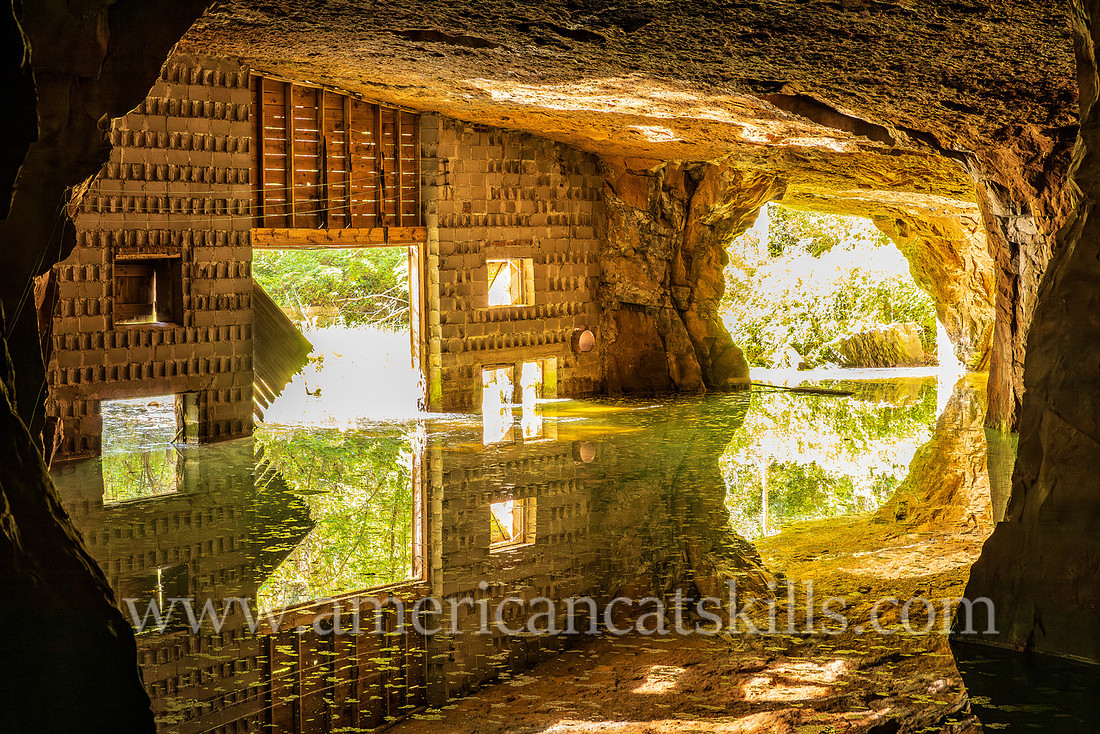 Tunnel of LightWidow Jane Mine, Snyder Estate Natural Cement Historic District, Rosendale, New York
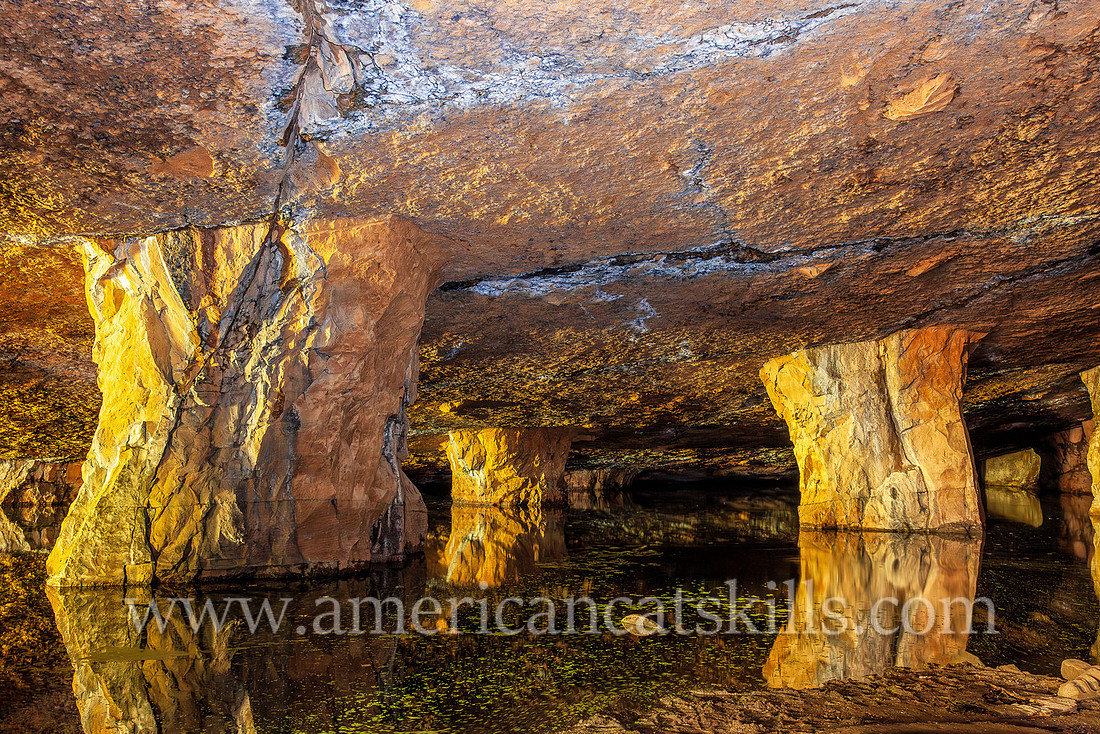 The Beautiful UnderworldWidow Jane Mine, Snyder Estate Natural Cement Historic District, Rosendale, New York
Today, the Snyder Estate is open to the public as home to the Century House Historical Society. The estate includes a seasonal museum dedicated to the history of the cement industry as well as the Widow Jane Mine. The mine is open to visitors. The mine, also noted for its acoustics, is used occasionally for concerts, poetry readings and other artistic endeavors.
The Widow Jane Mine and the Snyder Estate are located at 668 Route 213, approximately 1 mile west from the hamlet of Rosendale. Visit the Century House Historical Society website at www.centuryhouse.org for more information.
